We mapped the global open banking ecosystem so you don’t have to.
If you’ve ever tried to explain how open banking works in Brazil to a regulator in Saudi Arabia, or map UK Open Banking terminology to Australia’s CDR framework, you know the problem: every market speaks a different language.
An ASPSP in Europe is a Data Holder in Australia. A Third Party might be called an AISP, a PISP, a TPP, or an Accredited Data Recipient depending on where you are. Even “open banking” itself means different things, PSD2 compliance in Europe, consumer data rights in Australia, financial data sharing in the US.
This isn’t a minor inconvenience. It can be a barrier to progress.
The numbers prove it: while the global open banking market is projected to reach $136.13 billion by 2030 (up from $31.54 billion in 2024, growing at 27.6% CAGR), adoption remains fragmented. Open Banking API call volumes are expected to surge from 137 billion in 2025 to 722 billion by 2029, but only if ecosystems can actually talk to each other.
Banks who operate across multiple markets have the significant complexity of not just decoding the different regulatory frameworks, but dealing with different technical standards and different implementation models. Regulators designing new frameworks reinvent wheels that already exist elsewhere.Technology vendors pitch solutions using terminology their prospects don’t recognise.
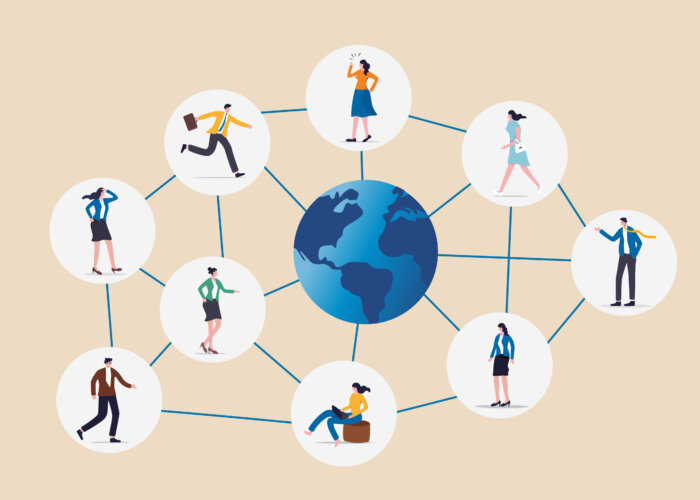
So we built a solution: a visual map of the global open finance ecosystem.
It captures the participants, roles, regulations, and standards across Europe, Latin America, the Middle East, Africa, Asia-Pacific, and North America in one accessible view. Not a high-level infographic; an actual reference tool that shows:
- Who the key players are in each market (ASPSPs, TPPs, regulators, scheme operators, data aggregators)
- What they’re called locally (with terminology mappings across regions)
- Which standards and regulations apply (PSD2, UK Open Banking, Brazil’s Open Finance, CDR, FDX, etc.)
- How ecosystems are structured (centralized vs. decentralized, regulatory vs. market-led)
Why Open Banking Regulation Alignment Matters
We work with central banks, regulators, and banks building open finance ecosystems from scratch.The first challenge is never technical; it’s alignment.
Consider the contrast: 43 countries are now expanding beyond traditional open banking into broader open finance solutions, but each is doing it differently. The UK now has 16.5 million active users, with 31 million open banking payments made in March 2025 alone, representing 7.9% of all Faster Payments.
Meanwhile, markets without clear frameworks struggle. A central bank in Africa wants to learn from Brazil’s implementation but gets lost in the terminology differences. A UK bank expanding to the Gulf needs to understand what are the standards and how much change is required to adapt their existing infrastructure to comply to a new regulatory model. A fintech wants to go multi-market but can’t figure out which API standards to prioritize.
Thriving ecosystems don’t happen by accident. They happen when participants understand each other.
Our founders wrote the UK Open Banking standard; the original blueprint which has been built on around the world. We’ve helped design ecosystems in multiple regions through our work with regulators and market infrastructure providers. We’ve seen what works: markets that invest in shared understanding move faster, adopt more smoothly, and unlock more innovation.
How to Use This Open Banking Ecosystem Guide
This guide clarifies the key participants in an open finance process and demystifies the different terminology used worldwide. It maps every open banking interaction through four core participant roles:
- End User – The individual or business accessing financial services
- Requester – The app or service requesting data (TPP, Fintech, Data Recipient)
- Data Provider/Responder – The institution holding the data (ASPSP, Data Holder, Bank)
- Infrastructure/Central Enablers – The ecosystem operators (regulators, scheme operators, directories)
The typical user journey looks like this: A person wants to use a budgeting app that connects to their bank account. The End User (person) authorizes the Requester (budgeting app) to access data from the Data Provider (their bank), all facilitated through secure standards based APIs that place customer consent and security at the heart of everything.
Simple concept. But each market uses different names for these same roles, and that’s where confusion begins.
How Different Stakeholders Can Use This Guide
If you’re a regulator or central bank designing a new open finance framework, use this to understand how mature markets structure these four participant roles. See how Europe defines ASPSPs (Data Providers) vs. how Brazil defines Data Holder Institutions. Identify whether centralized infrastructure (like the UAE’s centralised open finance API Hub or the UK’s directory model) or decentralized approaches (like parts of the EU) work better for your market structure. Map your proposed terminology to global equivalents so cross-border participants can navigate your ecosystem. Explore our comprehensive Open Finance Tracker for deeper regulatory analysis.
If you’re a bank (Data Provider/Responder) that operates across multiple geographies, use this to decode how your role translates across markets. Quickly identify what “ASPSP” in Europe means vs. “Data Holder” in Australia vs. “Data Donor Institution” in Brazil. Understand the differences between different market frameworks and standards to understand the change required to comply in new markets. Understand which Infrastructure/Central Enablers you’ll need to integrate with (directories, scheme operators, security frameworks). Learn how banks and financial institutions are successfully navigating multi-market compliance using our API platform.
If you’re a fintech or technology provider (Requester), use this to speak the language of every market you enter. Understand what you’ll be called locally—TPP, Data Recipient, Accredited Data Recipient, Fintech, Participant—and what that means for licensing, certification, and API access. Identify which Infrastructure/Central Enablers you must register with. See which Data Provider standards you need to support (UK Open Banking, PSD2, FDX, etc.). Discover how our partner ecosystem is enabling global reach with flexible integration options.
If you’re a consultant or system integrator advising clients, use this to cut through the terminology fog. Start every conversation by clarifying which participant role your client plays in their target market. Show them visually how the same process works differently across regions. Stop wasting billable hours explaining that an ASPSP and a Data Holder are the same thing. Get to strategic decisions about market entry, technology selection, and partnership models faster.
If you’re an Infrastructure/Central Enabler (scheme operator, directory provider, certification body), use this to see how other markets structure ecosystem governance. Compare centralized vs. federated models. Understand how directory services, consent management, and dispute resolution are handled globally. Learn from mature implementations before building your infrastructure.
The Future of Open Finance Standards
This is just the beginning.
The global open finance landscape is evolving fast. New standards are emerging. Regulation is expanding. Market roles are shifting.
If you see something missing or want to discuss how your market’s ecosystem fits into the global picture, reach out. We’re always learning, and this resource gets better when the community contributes.
A thriving open banking ecosystem isn’t defined by how many APIs are live or how many third parties are onboarded. It’s defined by how well the participants understand, collaborate, and build together.
At Ozone API, we’re proud to help lead that conversation. We work with partners across the globe to connect ecosystems, align stakeholders, and power the infrastructure that makes open banking real.
Because when we all speak open banking, we unlock a better financial future—for everyone.
Download the Visual Guide to the Global Open Finance Ecosystem.
Learn more about open banking with our FAQs.

 Robyn Winstanley